
Managing financial risk is essential for business sustainability, and few areas demand more attention than properly calculating bad debt reserves. As a financial safeguard against uncollectible accounts, these reserves directly impact your bottom line and financial reporting accuracy. With over three decades of experience in commercial collections, I’ve witnessed countless businesses struggle with this critical accounting practice—often with costly consequences. This comprehensive guide will walk you through everything you need to know about calculating bad debt reserves effectively.
What Are Bad Debt Reserves?
Bad debt reserves, also known as allowance for doubtful accounts, represent the portion of accounts receivable a company anticipates will become uncollectible. Think of bad debt reserves like an insurance policy for your receivables—they provide a financial buffer against the inevitable reality that some customers simply won’t pay.
Unlike the direct write-off method, which records losses only after they occur, bad debt reserves follow the matching principle in accounting. This means you recognize potential losses in the same period as the related sales, providing a more accurate picture of your company’s financial health.
Establishing proper reserves is crucial for several reasons:
- Accurate financial reporting that reflects true profitability
- Better cash flow management and liquidity planning
- Compliance with Generally Accepted Accounting Principles (GAAP)
- Realistic forecasting for future revenue and expenses
- Protection against unexpected financial shocks
In my 30+ years at Credit Enforcer, I’ve seen how proper bad debt management can be the difference between thriving and merely surviving during economic downturns. Let’s explore how to calculate these reserves effectively.
Methods for Calculating Bad Debt Reserves
There are three primary methods for calculating bad debt reserves, each with distinct advantages depending on your business model and accounting needs.
1. Percentage of Sales Method
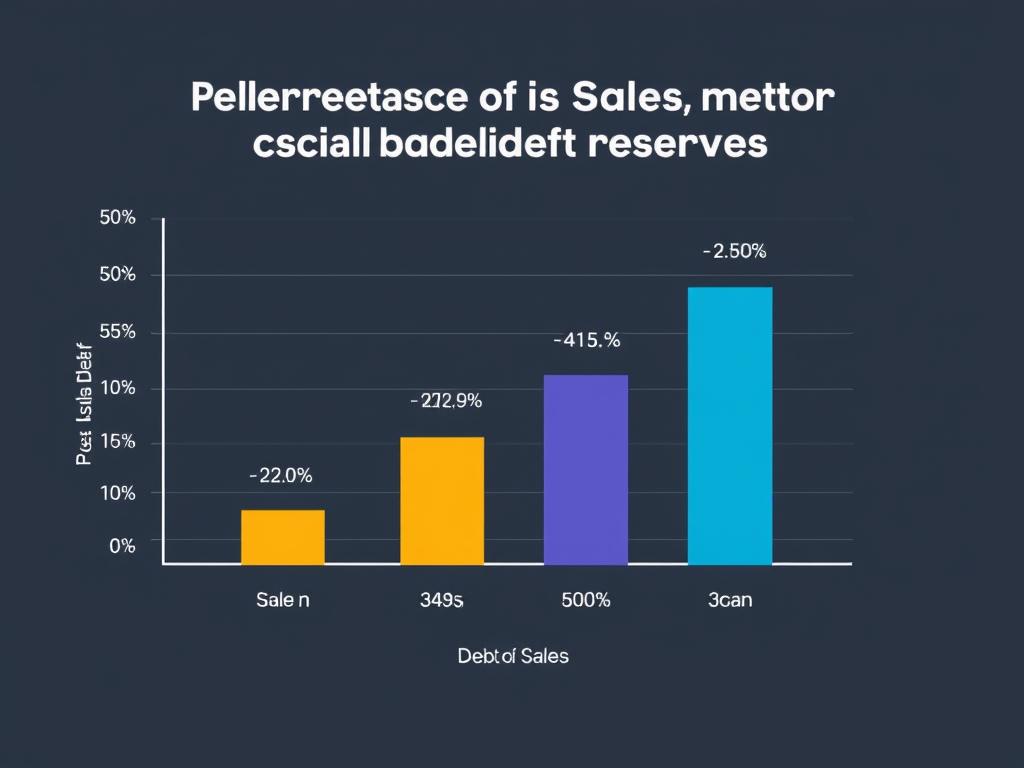
This straightforward approach estimates bad debt as a fixed percentage of your total credit sales. It’s based on historical patterns and industry benchmarks.
Formula:
Bad Debt Reserve = Total Credit Sales × Historical Bad Debt Percentage
To determine your historical percentage, analyze past performance using:
Historical Bad Debt % = Total Past Bad Debts ÷ Total Past Credit Sales
Example Calculation:
If your company had $2,000,000 in credit sales last year and historically 2% become uncollectible:
Bad Debt Reserve = $2,000,000 × 0.02 = $40,000
This method works well for businesses with stable bad debt patterns and consistent customer bases. However, it may not account for changes in economic conditions or specific high-risk accounts.
2. Accounts Receivable Aging Method
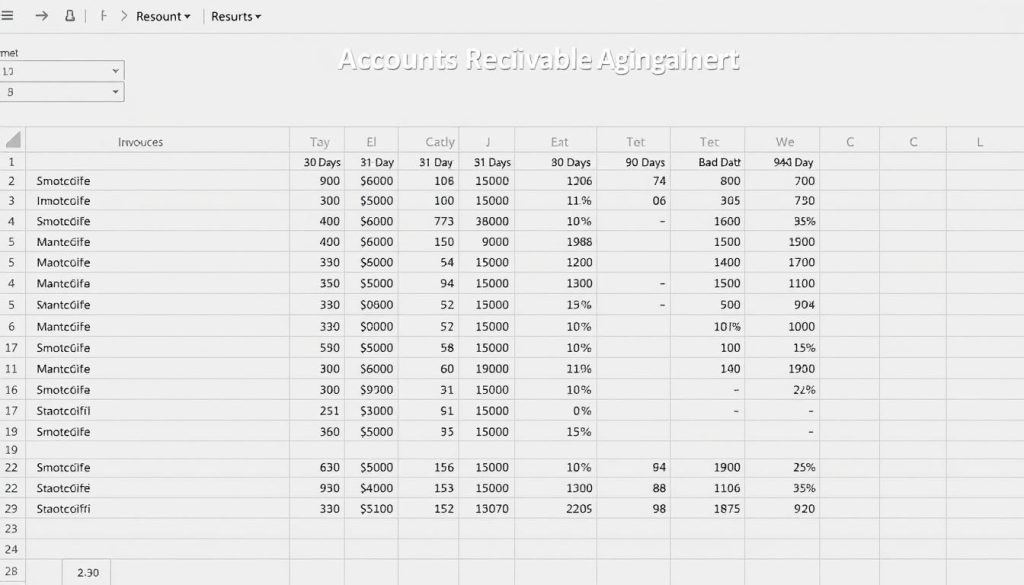
The aging method provides a more nuanced approach by categorizing receivables based on how long they’ve been outstanding. It recognizes that the longer an invoice remains unpaid, the less likely it is to be collected.
| Age of Receivable | Total Amount | Estimated Uncollectible % | Bad Debt Reserve |
| Current (0-30 days) | $500,000 | 1% | $5,000 |
| 31-60 days | $200,000 | 5% | $10,000 |
| 61-90 days | $100,000 | 10% | $10,000 |
| Over 90 days | $50,000 | 25% | $12,500 |
| Total | $850,000 | – | $37,500 |
This method requires regular aging reports and careful analysis of collection patterns. In my experience at Credit Enforcer, the aging method provides the most accurate picture of potential losses, especially for businesses with diverse customer portfolios.
3. Historical Percentage Method

This method analyzes your company’s specific collection history to determine what percentage of your current accounts receivable balance is likely to become uncollectible.
Formula:
Bad Debt Reserve = Current Accounts Receivable Balance × Historical Uncollectible Percentage
To calculate your historical percentage:
Historical Uncollectible % = Previous Bad Debts ÷ Previous Accounts Receivable Balance
Example:
If your current accounts receivable balance is $750,000 and historically 3% of receivables become uncollectible:
Bad Debt Reserve = $750,000 × 0.03 = $22,500
This method works well for companies with stable business models but may need adjustment during economic shifts or when entering new markets.
Step-by-Step Guide to Calculating Bad Debt Reserves
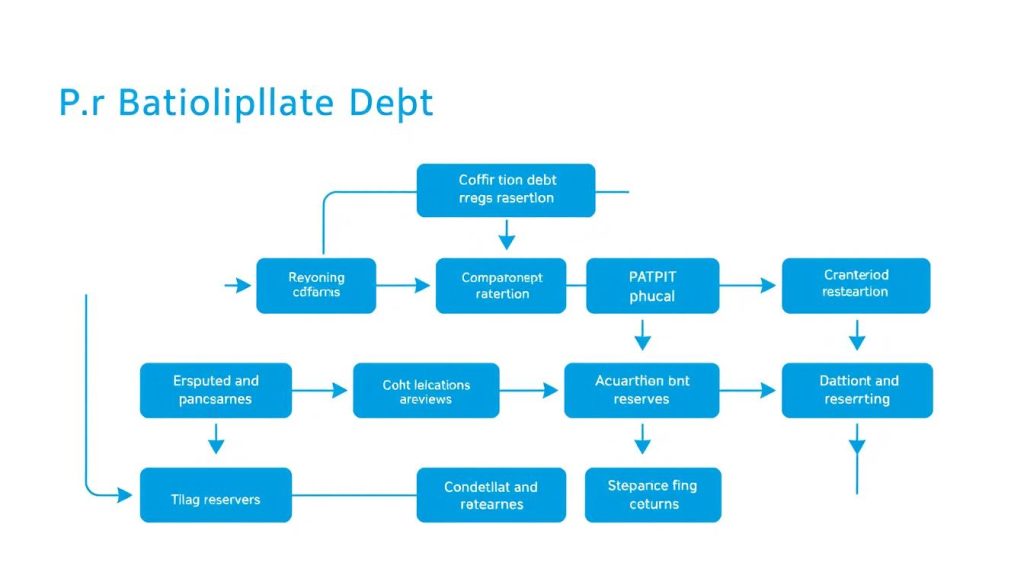
Let’s walk through a practical approach to calculating your bad debt reserves using the accounts receivable aging method, which I’ve found to be most effective for most businesses.
Step 1: Generate an Accounts Receivable Aging Report
Start by creating a detailed aging report that categorizes all outstanding invoices by age. Most accounting software can generate this report automatically. Typical categories include:
- Current (0-30 days)
- 31-60 days past due
- 61-90 days past due
- Over 90 days past due
Step 2: Analyze Historical Collection Patterns
Review your collection history to determine what percentage of receivables in each aging category typically goes uncollected. If you don’t have historical data, industry benchmarks can serve as a starting point, though they should be adjusted based on your specific circumstances.
Step 3: Assign Risk Percentages to Each Category
Based on your analysis, assign an estimated uncollectible percentage to each aging category. These percentages should increase as invoices age, reflecting the declining probability of collection.
Step 4: Calculate Category Reserves
Multiply the total receivables in each category by its assigned risk percentage:
Category Reserve = Category Receivables × Risk Percentage
Step 5: Sum All Category Reserves
Add up the reserve amounts from each category to determine your total bad debt reserve:
Total Bad Debt Reserve = Sum of All Category Reserves
Step 6: Record the Allowance for Doubtful Accounts
Update your accounting records with the calculated reserve amount. This typically involves:
- Debiting Bad Debt Expense on your income statement
- Crediting Allowance for Doubtful Accounts (a contra asset account on your balance sheet)
Step 7: Regular Review and Adjustment
Review and adjust your bad debt reserves quarterly or at least annually. Economic conditions, customer behavior, and your own collection practices can all impact the accuracy of your estimates.
Pro Tip: In my 30 years of commercial collections experience, I’ve found that companies who review their bad debt reserves monthly identify collection issues earlier and recover significantly more revenue than those who only review annually.
Common Challenges in Bad Debt Reserve Calculation

Even experienced financial professionals encounter challenges when calculating bad debt reserves. Here are some common pitfalls and how to avoid them:
Underestimating Reserves
Many businesses underestimate their bad debt reserves, often due to optimism about collection prospects or pressure to report higher assets. This creates a false picture of financial health and can lead to cash flow problems when the expected payments don’t materialize.
Solution: Use conservative estimates based on historical data and economic trends. It’s better to be pleasantly surprised by unexpected collections than blindsided by write-offs.
Overestimating Reserves
Conversely, excessive reserves can unnecessarily reduce reported assets and profits. While conservative estimation is prudent, overly pessimistic projections can misrepresent your company’s financial position and potentially affect investment or lending decisions.
Solution: Balance conservatism with realism by basing estimates on actual collection data and adjusting for specific known factors rather than arbitrary buffers.
Failing to Consider Economic Conditions
Economic downturns typically increase bad debt rates across industries. Failing to adjust your reserves during challenging economic periods can leave your business vulnerable.
Solution: Monitor economic indicators relevant to your industry and customer base, and adjust your risk percentages accordingly during uncertain times.
Inconsistent Methodology
Switching calculation methods frequently or applying them inconsistently makes it difficult to track trends and evaluate the effectiveness of your collection efforts.
Solution: Select the most appropriate method for your business model and apply it consistently, making adjustments to the parameters rather than changing the entire methodology.
Ignoring Customer-Specific Risks
Broad percentage-based approaches may miss significant risks associated with specific customers or industries experiencing financial difficulties.
Solution: Supplement your general methodology with specific assessments for large accounts or customers in troubled industries.
Inadequate Documentation
Poor documentation of your calculation methodology and assumptions can create problems during audits and make it difficult to defend your reserve levels.
Solution: Maintain detailed records of your calculation methods, historical data, and the rationale behind any adjustments to standard percentages.
Best Practices for Managing Bad Debt Reserves

Based on my three decades of experience in commercial collections at Credit Enforcer, here are proven strategies to optimize your approach to bad debt reserves:
Implement Proactive Credit Management
The best way to manage bad debt is to prevent it in the first place. Establish robust credit policies including:
- Thorough credit checks before extending significant credit
- Clear payment terms communicated upfront
- Credit limits based on customer history and financial stability
- Regular review of existing customer creditworthiness
Develop Industry-Specific Benchmarks
Different industries have vastly different payment patterns and bad debt rates. Develop benchmarks specific to your industry and customer segments rather than relying on general guidelines.
Establish Regular Review Cycles
Schedule regular reviews of your bad debt reserves—quarterly at minimum, monthly for businesses with high transaction volumes or in volatile industries. This allows for timely adjustments based on changing conditions.
Integrate Collection and Reserve Processes
Your collection efforts and reserve calculations should inform each other. Use insights from collection activities to refine your reserve methodology, and use reserve analysis to prioritize collection efforts.
Leverage Technology for Better Analysis
Modern accounting and analytics software can significantly improve the accuracy of your bad debt forecasting by identifying subtle patterns and trends in customer payment behavior.
Consider External Factors
Incorporate external data points such as industry health metrics, economic indicators, and even customer-specific news into your reserve calculations for greater accuracy.
“In my experience, companies that integrate bad debt management into their broader financial strategy—rather than treating it as a purely accounting function—consistently outperform their peers in both profitability and cash flow stability.”
Recording Bad Debt Reserves in Your Financial Statements
Proper recording of bad debt reserves is essential for accurate financial reporting. Here’s how to handle the accounting entries:
Initial Recording of Bad Debt Expense
When you establish or adjust your bad debt reserve, you’ll make the following journal entry:
- Debit: Bad Debt Expense (Income Statement account)
- Credit: Allowance for Doubtful Accounts (Balance Sheet contra-asset account)
For example, if you determine that $50,000 should be reserved for bad debts:
- Debit Bad Debt Expense: $50,000
- Credit Allowance for Doubtful Accounts: $50,000
Writing Off Specific Uncollectible Accounts
When you determine that a specific account is uncollectible, you’ll write it off against the allowance:
- Debit: Allowance for Doubtful Accounts
- Credit: Accounts Receivable
For example, if you’re writing off a $5,000 uncollectible invoice:
- Debit Allowance for Doubtful Accounts: $5,000
- Credit Accounts Receivable: $5,000
Recovery of Previously Written-Off Accounts
If you later collect on an account that was previously written off, you’ll need to reverse the write-off and record the payment:
First, reverse the write-off:
- Debit Accounts Receivable: $5,000
- Credit Allowance for Doubtful Accounts: $5,000
Then record the payment:
- Debit Cash: $5,000
- Credit Accounts Receivable: $5,000
Financial Statement Presentation
On your balance sheet, the allowance for doubtful accounts appears as a contra-asset, reducing the gross accounts receivable to show the net realizable value:
| Balance Sheet Item | Amount |
| Accounts Receivable | $850,000 |
| Less: Allowance for Doubtful Accounts | ($37,500) |
| Net Accounts Receivable | $812,500 |
On your income statement, bad debt expense appears as an operating expense, typically under “Selling, General, and Administrative Expenses.”
Conclusion: Proactive Management of Bad Debt Reserves

Effective management of bad debt reserves is more than an accounting exercise—it’s a critical component of financial health and business sustainability. By implementing the calculation methods and best practices outlined in this guide, you can:
- Maintain accurate financial statements that reflect your true financial position
- Improve cash flow forecasting and management
- Identify collection issues early when recovery is still possible
- Make more informed credit decisions to minimize future bad debt
- Strengthen your company’s financial resilience during economic downturns
Remember that the goal isn’t just to calculate reserves accurately, but to use that information to drive better business decisions and more effective collection strategies.
Need Expert Help Managing Your Bad Debt?
At Credit Enforcer, we’ve helped thousands of businesses recover seemingly uncollectible debt and implement systems to prevent future losses. With over 30 years of experience in commercial collections, we provide customized solutions to protect your bottom line.
Contact us today for a free consultation on your specific bad debt challenges.
Frequently Asked Questions About Bad Debt Reserves
What’s the difference between bad debt reserves and write-offs?
Bad debt reserves (allowance for doubtful accounts) are estimates of future uncollectible amounts, recorded before specific accounts are identified as uncollectible. Write-offs occur when specific accounts are deemed uncollectible and are removed from accounts receivable. Reserves are proactive; write-offs are reactive.
How often should I review my bad debt reserves?
For most businesses, quarterly reviews are sufficient. However, companies with high transaction volumes, seasonal fluctuations, or operating in volatile industries should consider monthly reviews. At minimum, a comprehensive review should be conducted annually as part of year-end financial reporting.
Can bad debt reserves be tax-deductible?
In the United States, the IRS generally doesn’t allow deductions for bad debt reserves or allowances. Instead, specific bad debts can be deducted when they become worthless (direct write-off method). However, accounting rules (GAAP) still require the use of the allowance method for financial reporting. Consult with a tax professional for guidance specific to your situation.
What if my calculated reserve is significantly different from my current reserve?
If your newly calculated reserve differs significantly from your current reserve, you should adjust your allowance for doubtful accounts accordingly. However, investigate the reasons for the discrepancy first. Is it due to changes in customer payment behavior, economic conditions, or flaws in your previous methodology? Understanding the cause will help you make more accurate estimates in the future.
How do bad debt reserves impact financial ratios?
Bad debt reserves directly affect several key financial ratios, including current ratio, quick ratio, and accounts receivable turnover. Higher reserves reduce net accounts receivable, which can lower liquidity ratios but provide a more accurate picture of true liquidity. They also impact profitability ratios by increasing expenses. Understanding these effects is important when communicating financial performance to stakeholders.